My name is Svetlana Logashina. I am a mother of five, a wife, a florist and decorator, the author of the
"Light & Petals" eco-days and the keeper of the Pizhma Dom farm estate in the village of Druzhychy, near the
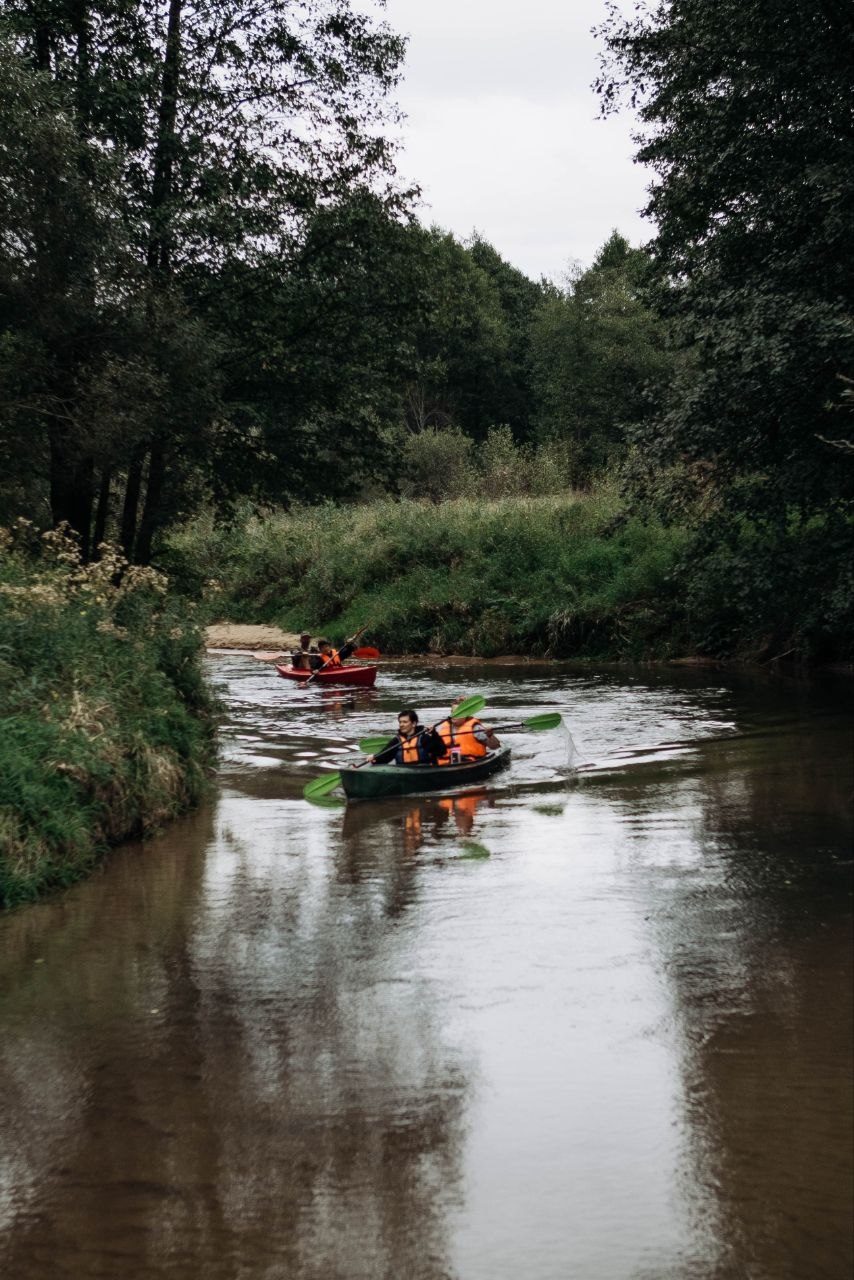
Naliboki Forest, where the woodland river Islach flows.
Once, like many of you, I lived a very different life: a big city, a serious career — first in television,
then in publishing — business trips abroad, and a schedule so tight there wasn't a single minute left for
myself. Then came pregnancies, maternity leave, and one simple but honest question: what do I want to fill my
days with — beyond caring for everyone around me — once the household runs itself?
I had always wanted to surround myself with beauty. And one day, standing on the Black Sea coast and
breathing in the scents of the steppe, I saw whole waves of xeranthemum and globe thistle. My hands reached
for the flowers on their own… Not yet fully realising what was happening, I gathered an enormous armful of
dried flowers and brought it home to Belarus. That simple, free, vivid gesture — no plan, no calculation, just
an inner feeling — became the beginning of my life's work.
Read the whole story
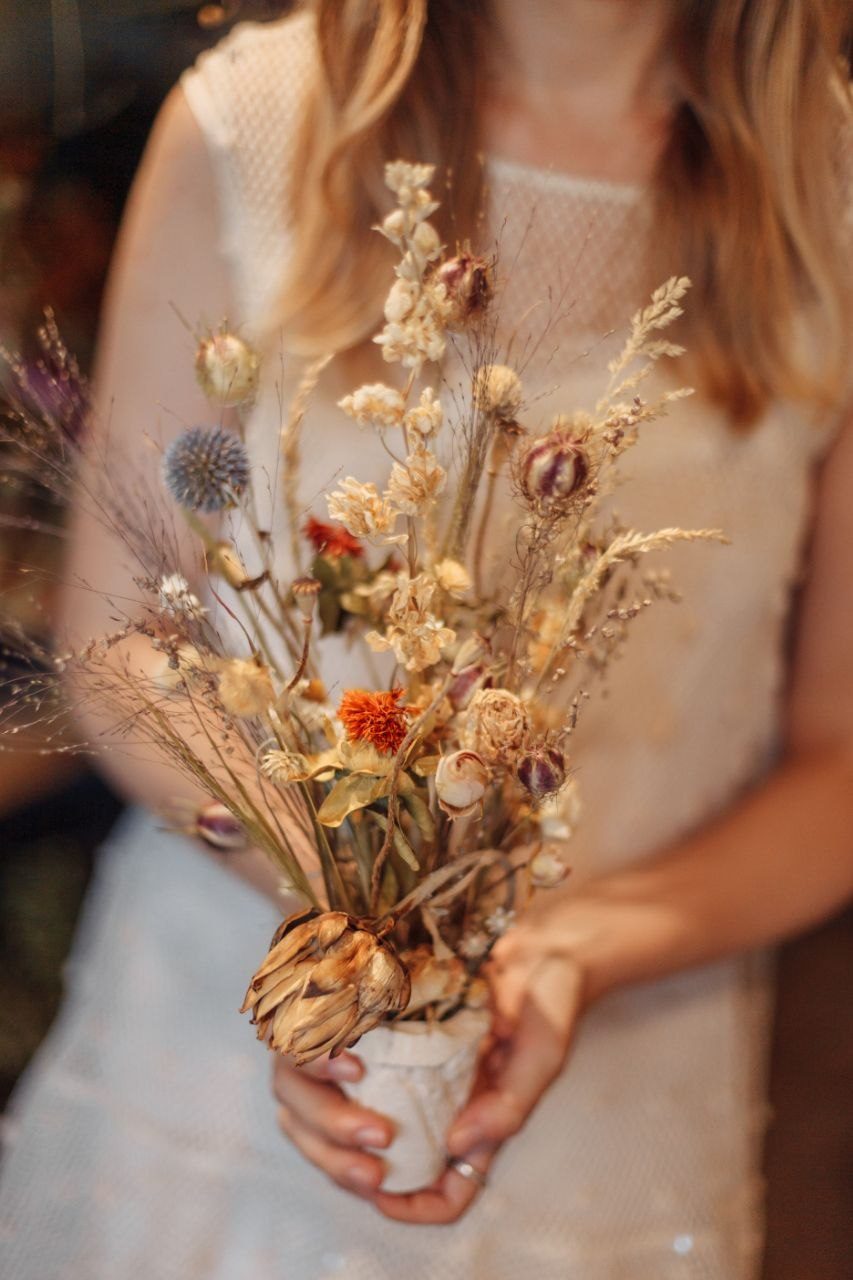
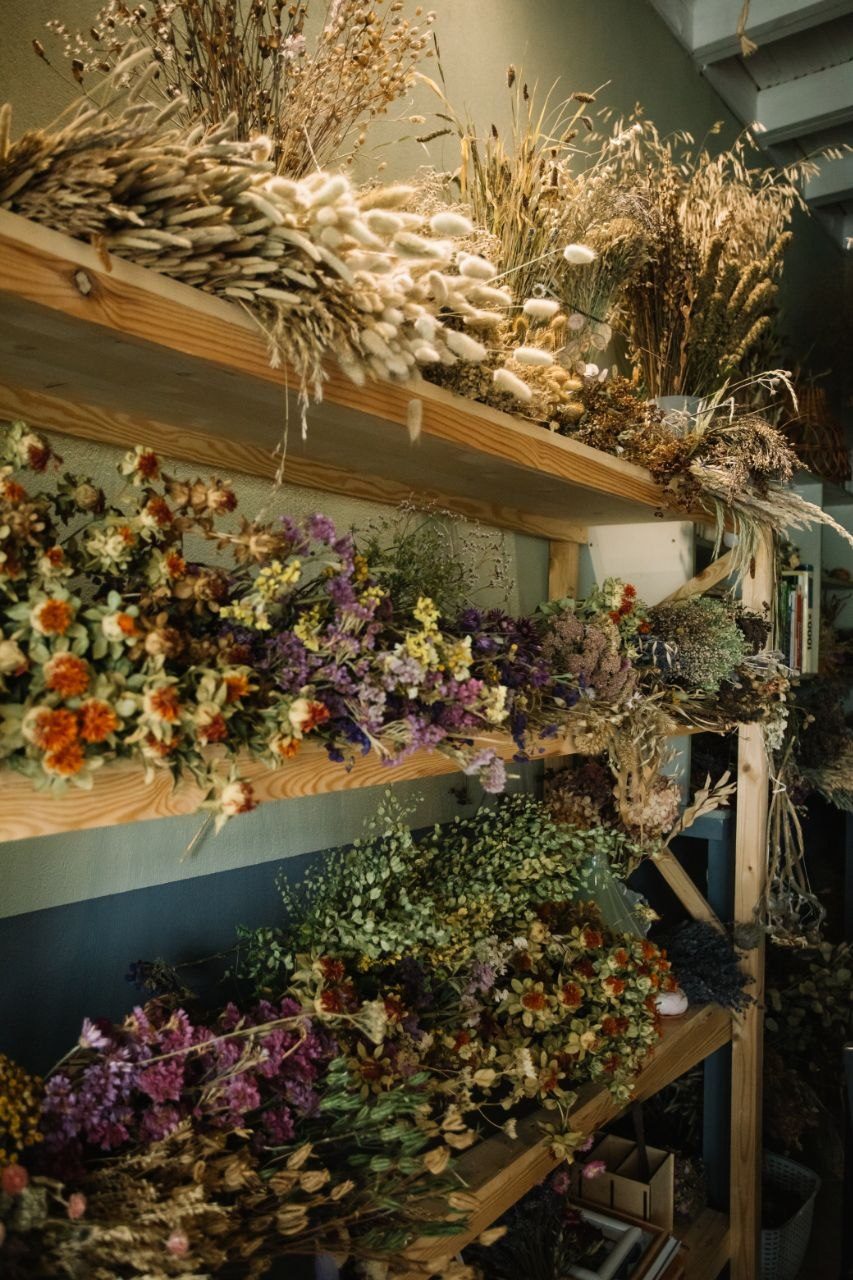
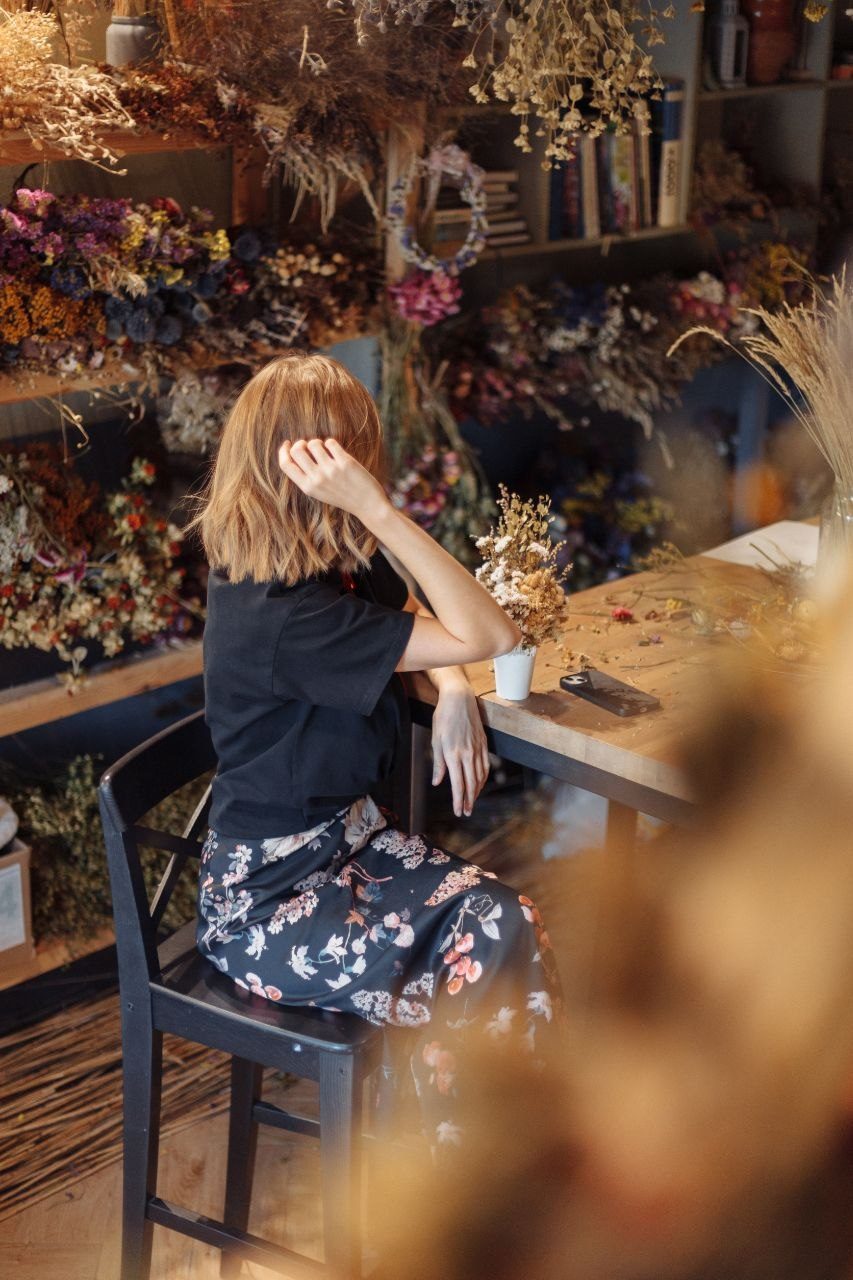
Today, in the garden by our house 36 km from Minsk, I grow dozens of plant varieties with my own hands —
from lavender, statice and strawflower to the lesser-known acroclinium, xeranthemum, safflower and
craspedia. In my art workshop, flowers and herbs dry slowly and naturally, keeping their shape, colour,
texture and scent — and then become bouquets, wreaths, botanical art, scented sachets and one-of-a-kind
arrangements.
I often compare dried flowers to us, women: on the outside we seem delicate and fragile, yet inside we have
been through rain and drought alike — and we remain alive and warm, and we keep giving love.
I deeply want every woman who spends time here to feel this: she is valued not only for taking care of
everyone else, but for the beauty that lives inside her. Caring for yourself is not a luxury — it is a
necessity, especially in our loud and hurried world.
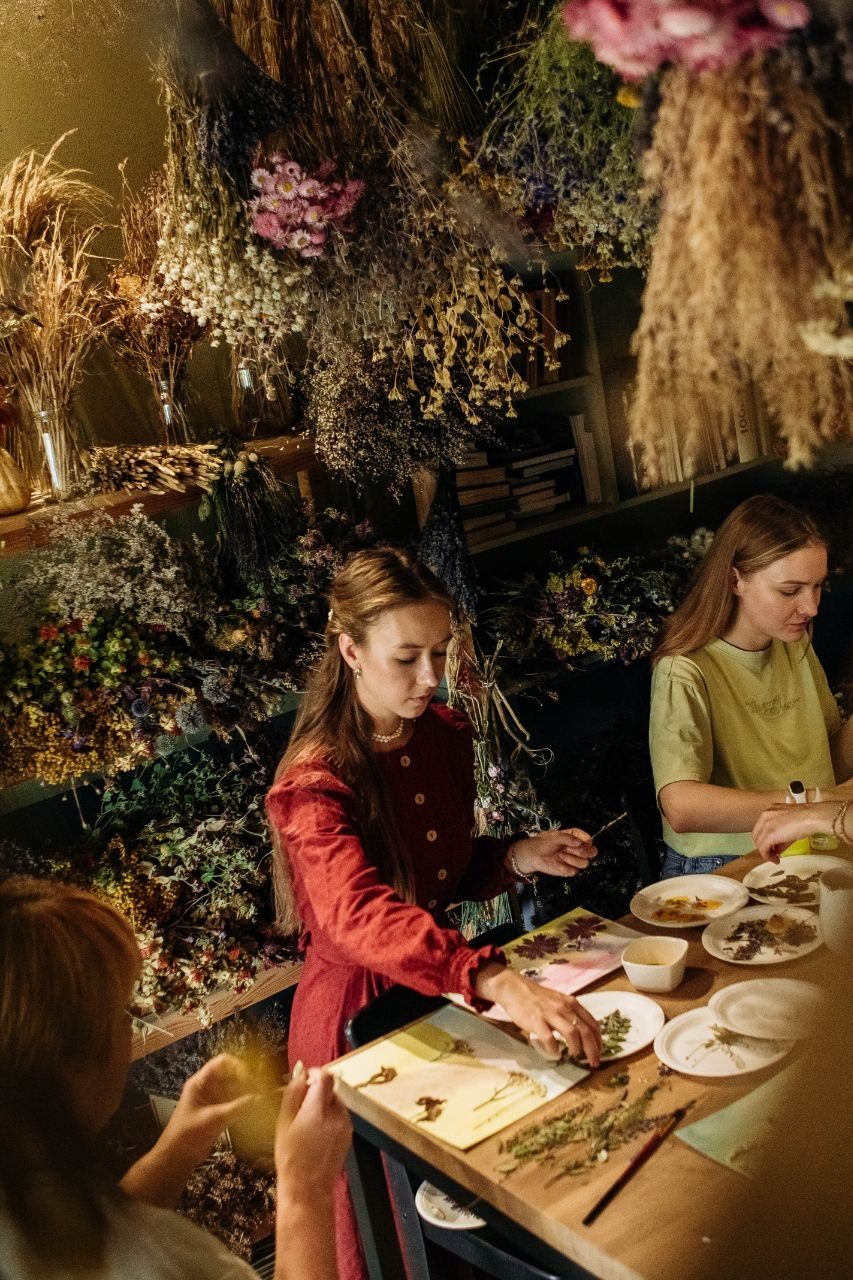
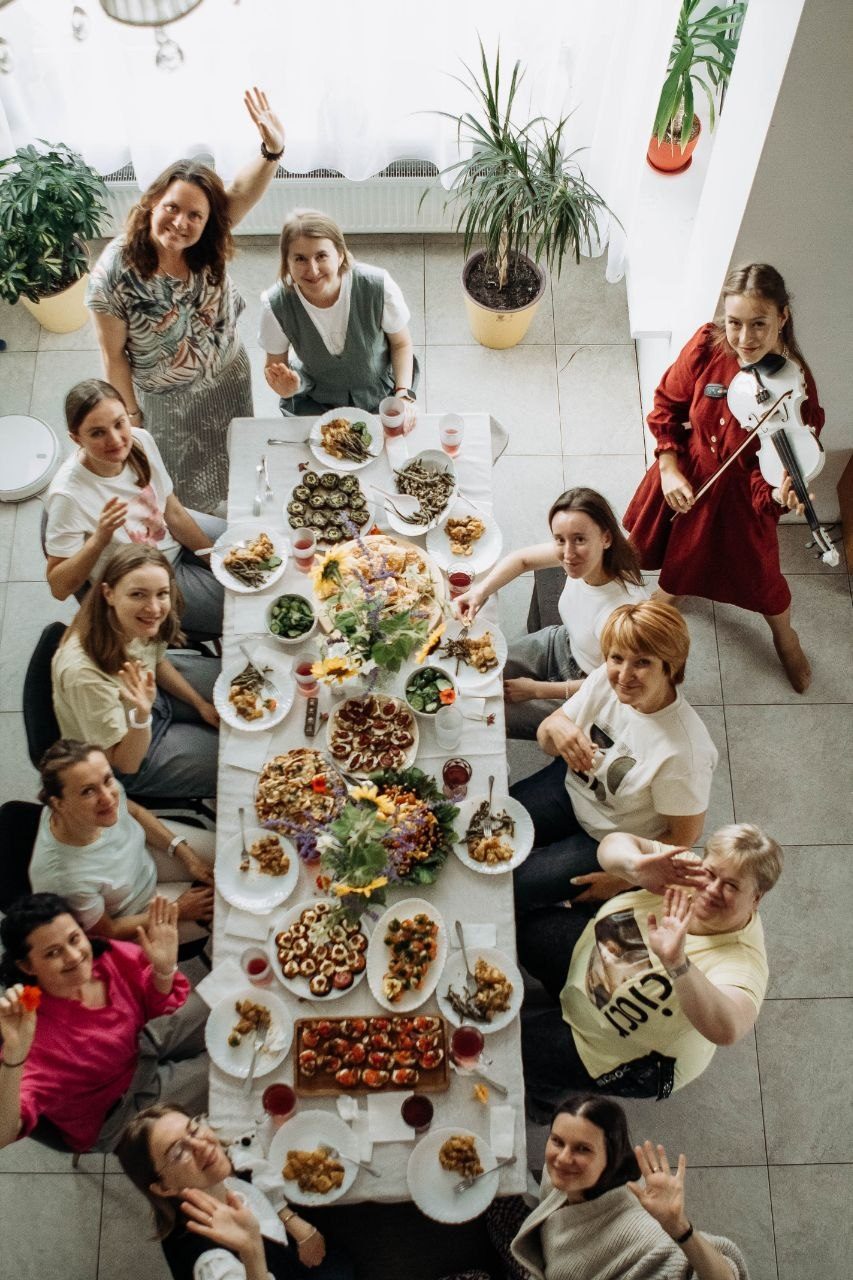
That is the feeling my "Light & Petals" eco-days grew from. I built this format around a seemingly simple
idea: to give a person back their contact with themselves — through nature, silence and working with their
hands; through practices of slowing down, of being here and now, of breathing, seeing and feeling.
Yes, most of my guests are women — but experience shows the format is just as meaningful for men and
children. They need restoration just the same; it is just as hard for them to allow themselves to stop, to
stay in the moment, to say out loud what they feel. For many men who have visited, an eco-day became a
genuine discovery — a deeply needed and truly powerful experience.
None of this is just pretty words. I live it every day: being a mother of five, a wife, the keeper of a big
house and a beautiful project — I keep re-learning how to slow down among the herbs I have grown myself or
gathered in the forest and the meadow.
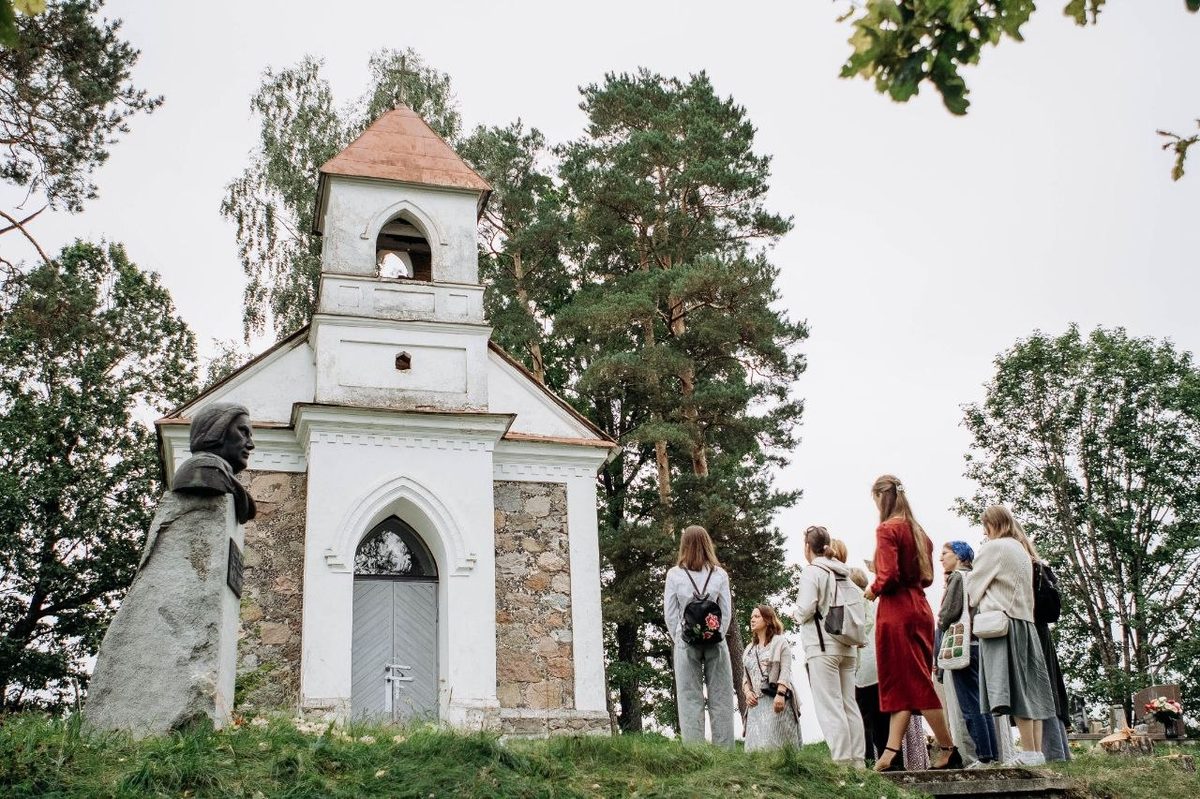
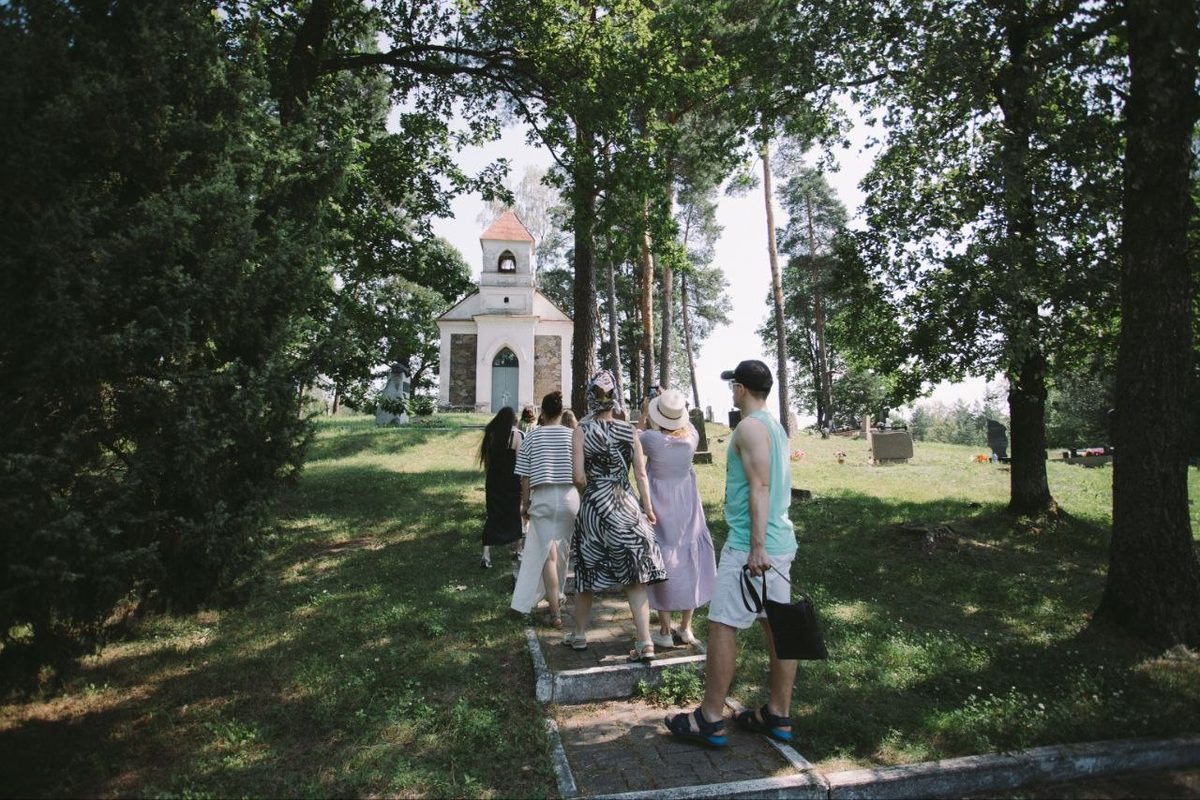
If this resonates with you — don't just come for a walk. Come and meet me in person. I promise an honest
conversation over a cup of herbal tea, the true story of the Pizhma project and our home in Druzhychy — and
a day after which you will want to come back.
Pizhma Dom is for those who choose the depth of living over the rush of impressions.
Brand philosophy
Tansy — the plant that
refused to fade
Some names are invented. Others are found — the way you find a flower by the roadside and
recognise something already familiar in it. "Pizhma" — the Belarusian and Russian word for tansy — is one of
the found ones: a single golden flower where musky permanence, Greek immortality, the Slavic idea of
"returning", the guardian of the home, a living compass, feminine strength — and even the maiden name of the
estate's keeper — all converge.
A lasting trace
What we create stays with a person for a long time — it doesn't vanish in a day.
Refusal to fade
A dried flower as a small immortality of a moment, a summer, a feeling.
Returning to yourself
An eco-day doesn't take you away from life — it helps you come back to your inner balance.
Home and shelter
The estate as a safe space, lit from within.
Direction
A bearing that helps you find your own way when your inner compass is off.
Feminine strength
A brand that speaks to a woman and her right to restoration.
A name and a plant, related
The personal story and the plant are linked not metaphorically but literally — in language itself.
Why "Pizhma"? The full story of the name
A word born of musk
The word "pizhma" came into Russian and Belarusian through the Polish piżmo and Czech pižmo —
"musk" — which in turn go back to the Latin bisamum. Musk is not a light scent that fades within a
day: it lingers on the skin and in memory. The idea of a lasting trace is written into the name itself —
what Pizhma makes is meant not as a fleeting impression, but as a trace that stays with you.
Immortality: the name the Greeks gave
The botanical name of tansy — Tanacetum — goes back to the Greek athanasia, "immortality".
Its blossoms barely lose their golden colour when dried, and legend has it that Zeus granted eternal life to
young Ganymede with an infusion of tansy flowers. A dried flower is tansy in its purest essence: that which
refused to fade. Pizhma's floristry extends a flower's life in another form — carrying away not just the
memory of summer, but summer itself, still fragrant and still golden.
The herb of returning
In the South Slavic tradition, tansy's names — vratika, povratich — come from the root
meaning "to return". It was used to bring back what was lost; people looked through its wreath so that what
mattered would come back. Tansy is the herb of returning. Not of leaving — of coming back: to yourself, to
your own state, to what was lost in the rush. A direct rhyme with the "Light & Petals" eco-days.
A guardian herb, a sun herb
Peter the Great advised noblemen to plant tansy by the entrance of the house "for the protection of those
who dwell within". It was called the "sun herb" — the plant hardly darkens as it dries, keeping its golden
colour. Hence "Pizhma Dom" — dom meaning "home": the ancient formula of a guardian is built into the
very name — a plant by the doorstep, a home that outside worries cannot enter.
A compass plant
Tansy leaves are almost always aligned along the meridian — north to south — a plant that always knows
which way to point. A metaphor for what the eco-days are: not an escape from reality, but a compass that
helps you find your own direction again when your inner bearings have drifted.
A women's flower
In pre-Christian Celtic tradition tansy was linked to Brigid — goddess of healing and protector of women;
in European symbolism it was dedicated to Aphrodite as a symbol of the life force of a family line
continuing through generations. This brand speaks to a woman — to her right to restoration, to caring for
herself, to returning to her own nature.
An unexpected kinship
The keeper's maiden name — Romanchikova — derives from the name Roman. But dictionaries of Russian surnames
record another meaning of the root: romannik — a folk name for tansy, the wild field rowan. The name
and the plant truly are kin in language — long before this word was chosen for the estate and the workshop.
Light and petals
Light — tansy's golden, sun-like blossom that doesn't dim even when dried; the inner light people
come here to reclaim. Petals — the material of the craft: dried flowers, wreaths, floristry; the
fragility of a moment of true presence; a petal that refused to fade and became a work of art. The brand
didn't invent its meaning — it found it: where a name, a plant and a life turned out to be the same word.